
For patients with infected and impacted teeth, we provide tooth extraction treatment in Wayne, PA. Many patients may think that extractions are painful. However, as a general dental treatment, tooth extractions help relieve severe tooth pain and discomfort.
Our dental office also uses local anesthetics and dental sedation for painless treatment and a smooth healing process. Removing problem teeth stops the spread of tooth decay, lessening the chance of further tooth loss or the need for extraction. Impacted teeth can damage surrounding teeth. Their removal can create a healthier, intact smile.
Simple and Complex Tooth Extractions
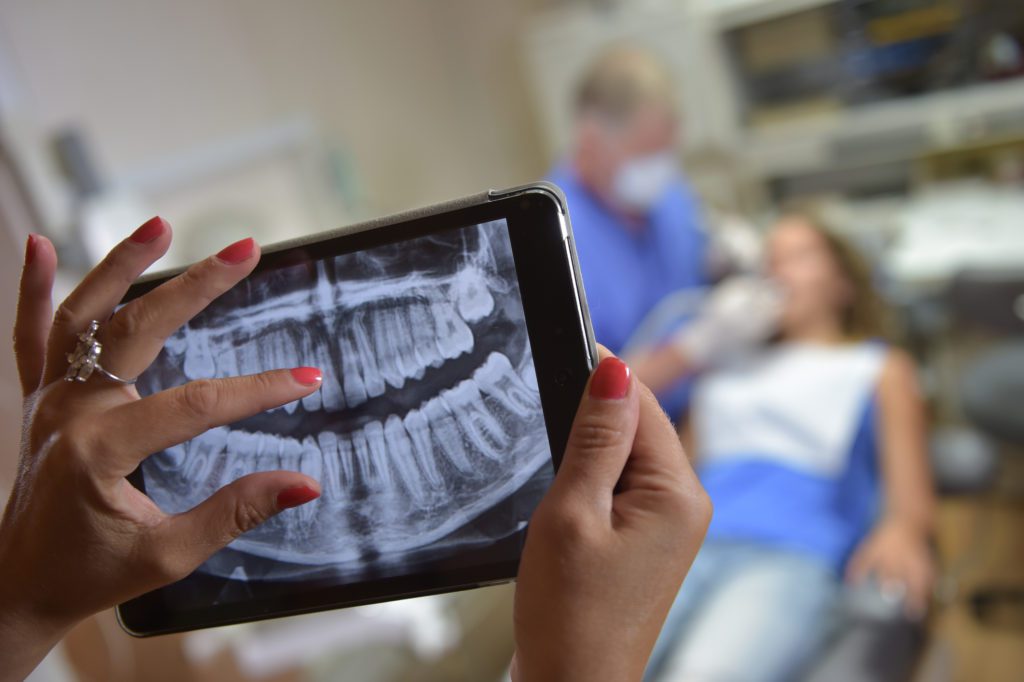
With the help of digital X-rays, our dentists can determine if and where patients need their teeth removed. Tooth extractions are often the last resort for patients with severely infected teeth. If we can’t save teeth with root canal treatment, we must extract them for the health of the remaining natural teeth.
Dental extractions come in two categories: simple or complex. A simple extraction is quick and easy. A complex one takes longer and is more involved.
Simple Tooth Extraction
A simple extraction is for a tooth that is fully visible and easy to remove. This process typically involves numbing the area with a local anesthetic to ensure patient comfort.
Then, the dentist uses specialized instruments to loosen and gently extract the tooth from its socket. Simple extractions are generally quick and straightforward. Most patients will require minimal recovery time.
Your dentist may suggest a simple tooth extraction if you have decayed, damaged, or crowded teeth. This dental procedure prevents further oral health issues while ensuring your well-being.
Complex Tooth Extraction
You need a complex extraction when a tooth is too damaged, broken, or trapped for easy removal. This procedure is more involved than a simple extraction.
Because this is a more involved procedure, we treat it as a minor surgery. This could mean making a small cut in your gums or carefully breaking the tooth into pieces to remove it safely. Since this takes more time, we use sedation to make sure you’re totally comfortable and feel no pain.
Replacing Extracted Teeth
When it comes to replacing extracted teeth, several viable options are available, each catering to various needs and preferences. We will provide dental implants, dental bridges, or dentures as needed after patients have healed from their extraction treatment. Our dentists provide these restorations if we remove permanent teeth that need replacement.
Your ideal tooth replacement depends on your health, budget, and personal choice.. Your dentist will consult with you about all your options and help you determine the best method to replace your teeth.
Dental Implants
One of the best choices available is dental implants. Replacing your teeth with dental implants involves surgically inserting a titanium post into the jawbone. This implant post will act as a sturdy foundation for a prosthetic tooth.
Dental implants are very popular due to their durability and natural appearance. They offer you a long-term solution that closely mimics the function and aesthetics of natural teeth.
Dental implants are a versatile solution for replacing teeth. No matter how many teeth we need to extract, we can customize your implant treatment to meet your needs. In conjunction with the implant posts, we will replace one tooth with a dental crown or multiple teeth with a denture or dental bridge. To learn more about the dental implant process, see Dental Implants.
Dental Bridge
Another solution is a dental bridge. This involves placing one or more false teeth and anchoring them to your healthy teeth. It’s often a great alternative for people who aren’t candidates for dental implants.
A bridge is a stable, natural-looking way to fill the gap and restore your smile. We offer several types of bridges and can help you choose the best one.
Dentures
Partial or complete dentures may be the best option for those seeking a removable solution. You will need partial dentures when some natural teeth remain. Complete dentures are also available if you need to replace a whole row of teeth.
Today’s dentures fit better and are more comfortable, making them a great option for replacing teeth.. We will custom-create them to conform to your mouth, ensuring a secure fit and natural look. To learn more about getting dentures, see Dentures and Partials.
Removing Wisdom Teeth
Wisdom teeth, also known as the “third molars,” are the last permanent teeth to emerge. Typically, wisdom teeth come in when patients are in their late teens to early twenties. Wisdom teeth can cause pain and discomfort for many patients when they erupt. This is because wisdom teeth easily become impacted, meaning that they do not have enough room in the mouth to fully erupt.
We may need to remove wisdom teeth if they are encroaching on the back molars or growing perpendicularly. Removing wisdom teeth helps prevent tooth damage and overcrowding. Please let us know if you have sudden pain behind your back molars. We can see how your wisdom teeth are emerging and can schedule your extraction surgery.
Reasons Extracting Wisdom Teeth is a Common Practice
- There is not enough room for them to erupt properly, resulting in impaction
- It is common for wisdom teeth to come in at odd angles or positions
- Located in the very back of the mouth, wisdom teeth are hard to keep clean, increasing the risk of tooth decay
- Wisdom teeth eruption can be painful, causing pain, swelling, and discomfort.
- They are known to put pressure on other teeth, moving the teeth out of alignment
Frequently Asked Questions About Tooth Extractions
Why would I need a tooth extraction?
There are many reasons why we may suggest an extraction. The most common cause is severe tooth decay. When a tooth has severe decay, it is unlikely your dentist can save it. An infection inside the tooth that we cannot resolve with a root canal will require an extraction.
Removing the tooth will prevent further complications. Also, if you are having issues with your wisdom teeth, we will suggest removing them.
What should I expect after a tooth extraction?
After the procedure, you may have some swelling and discomfort. These symptoms are normal and should subside within a few days. Swelling often peaks 48 hours after the procedure and then gradually decreases. Follow your dentist’s aftercare instructions for a smooth recovery.
What is the aftercare life with a tooth extraction?
You should apply ice packs to your face to reduce swelling. Ice packs help constrict blood vessels, minimizing inflammation. Take prescribed pain medication as your dentist recommends to stay ahead of discomfort.
Rinse with salt water to prevent infection by keeping the area clean. Your dentist will advise you when to start rinsing, usually 24 hours after the extraction. Avoid strenuous activities, which can dislodge the clot and delay healing. Eating soft foods minimizes irritation at the site, promoting faster recovery.
What is a dry socket?
A dry socket happens after a dentist pulls a tooth. A blood clot forms in the hole where the tooth is, protecting the bone and nerves. Sometimes, this clot doesn’t form or gets knocked out.
Without a blood clot, the bone and nerves are open to air and food, causing a lot of pain. Dry sockets usually start hurting 1 to 3 days after a dentist removes a tooth.
Does a tooth extraction hurt?
We will provide you with local anesthesia to ensure you don’t feel pain during the extraction. You might feel pressure or slight discomfort, but pain should not occur. If you experience pain, inform us right away. We can adjust the anesthesia to ensure your comfort.
How long does it take to recover from a tooth extraction?
How long it takes you to recover depends on the complexity of your extraction. Simple extractions heal within a week, while surgical extractions take longer. Proper care will make the healing process go faster and reduce the risk of complications. With proper care, you’ll notice gradual improvement each day.
When can I return to normal activities after an extraction?
Most people resume normal activities within a day or two. However, avoid strenuous activities for at least a week, especially if you get a surgical extraction. Physical exertion can increase blood pressure. This increase may cause the clot to dislodge and lead to complications like dry socket.
We will give you specific guidelines based on your situation. Listen to your body and take it easy if you feel uncomfortable. Gradually reintroduce activities as you feel capable while prioritizing healing.
How do I prevent a dry socket?
There are many things you need to do after an extraction to prevent dry socket. Do not use a straw or smoke for at least 48 hours. Sucking on such things can make the clot dislodge. Eat soft foods like yogurt and mashed potatoes for a few days.
Avoid hard or crunchy foods. These habits will also prevent the clot from dislodging. Keep your mouth clean, but don’t brush or rinse vigorously near the spot where the tooth was removed for 3-4 days.
Rest and limit exercise for a day or two. Follow your dentist’s advice for proper care.
Request a Dental Consultation for a Tooth Extraction in Wayne, PA
Are you noticing pain from your wisdom teeth? Do you need a dental extraction and tooth replacement? Schedule a dental appointment with us online or call 610-347-5133.
At your next dental visit, feel free to ask any questions about your treatment options. Our dental team will be happy to help.